The eLeaP Intelligence Hub
Better decisions for quality, training, and performance.

-
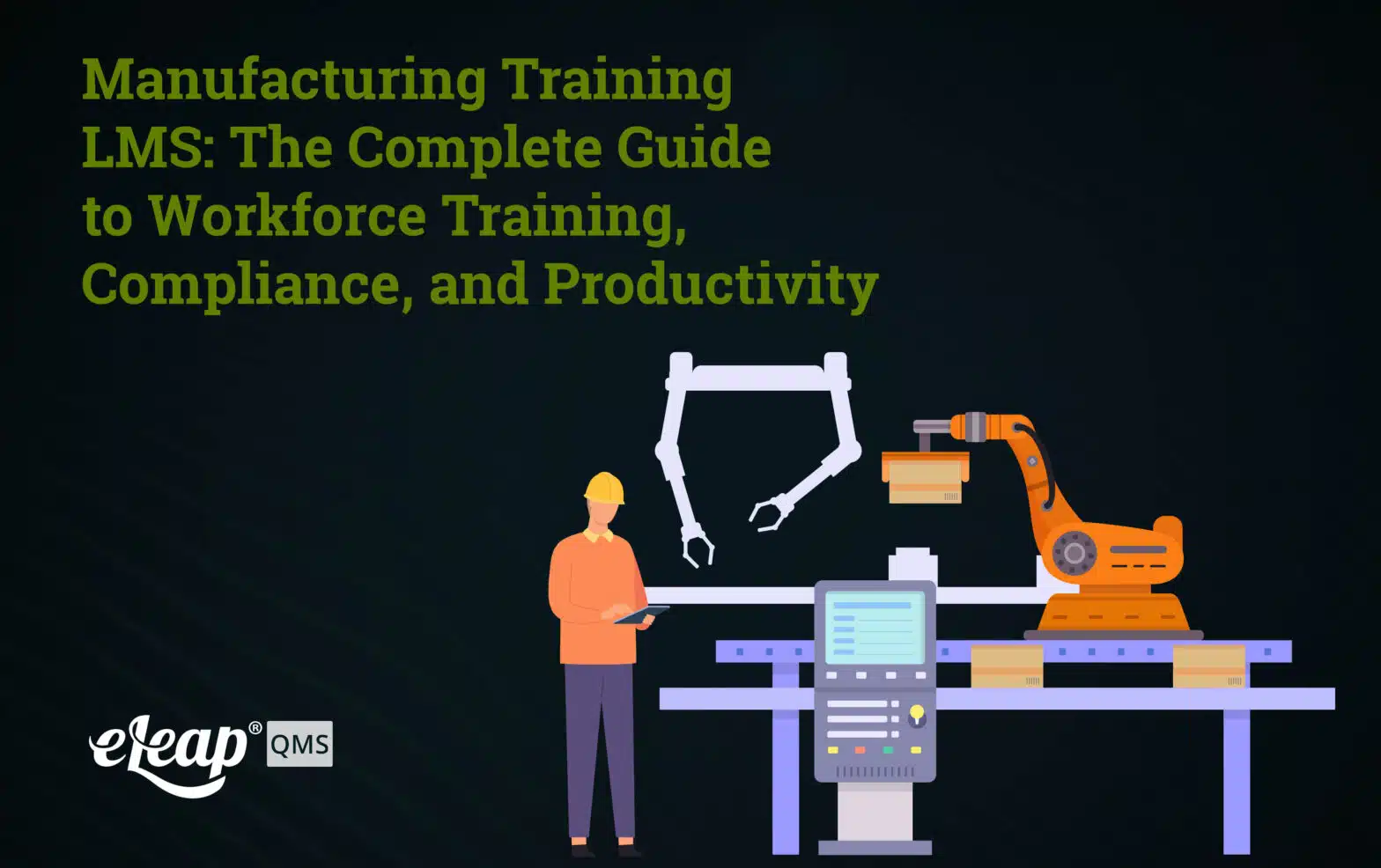
Manufacturing Training LMS: The Complete Guide to Workforce Training, Compliance, and Productivity


Manufacturing has never been more demanding. Production floors move fast, regulations keep tightening, and the workforce keeps changing. Companies that still rely on paper-based training systems or classroom-only instruction are feeling the pressure every single day. The skills gap is real. The National Association of Manufacturers projects that over 2 million manufacturing jobs could go […]
-
Advantages of Online Classes: How LMS Platforms Turn Flexibility Into Measurable Results
Online classes now sit at the center of how organizations build skills, close knowledge gaps, and stay competitive. The global LMS market continues to grow rapidly, with corporate adoption accelerating across every industry sector. But the real story is not just about technology. It is about what organizations actually gain when they pair online learning […]
-
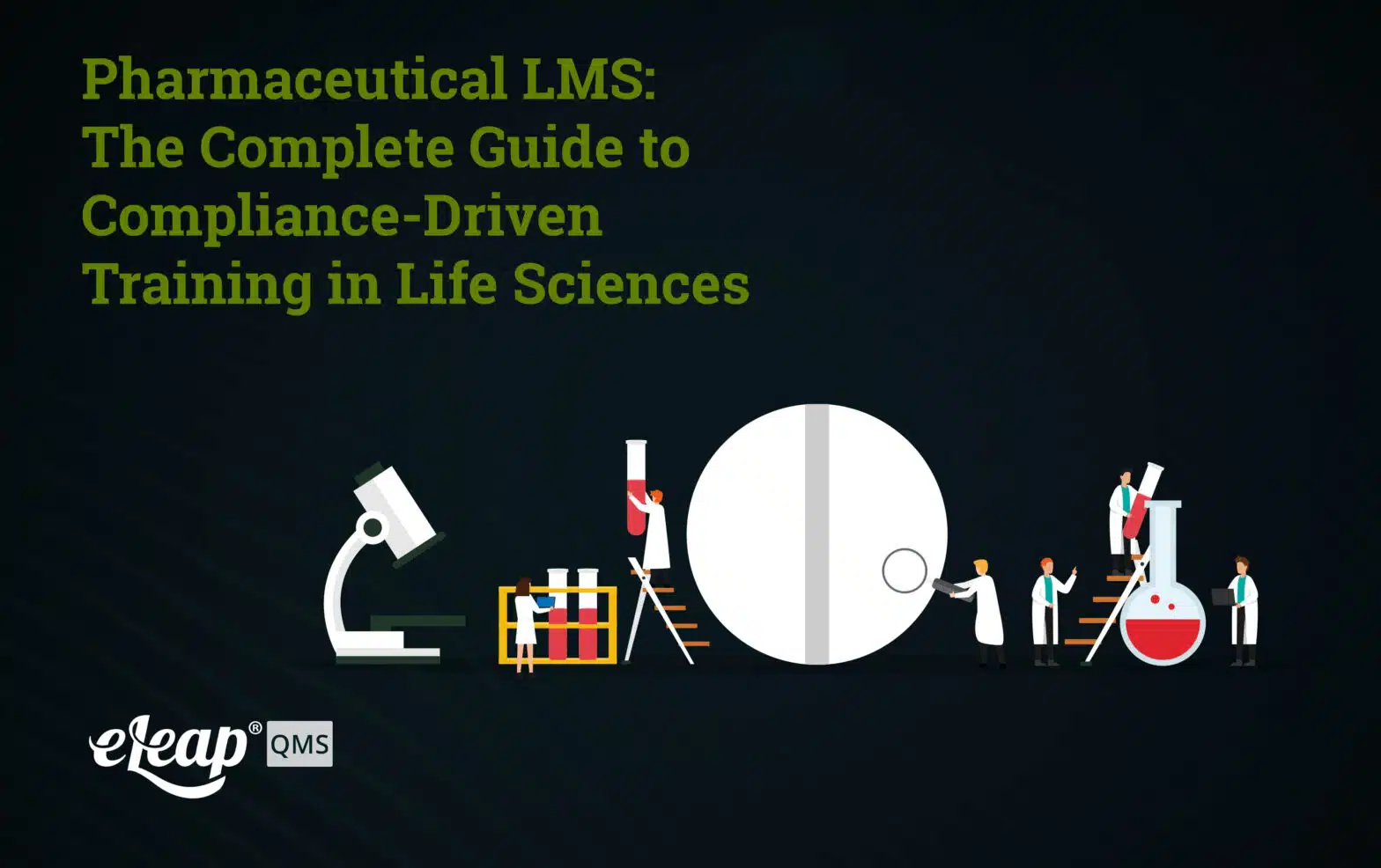
Pharmaceutical LMS: The Complete Guide to Compliance-Driven Training in Life Sciences
Regulatory pressure in pharmaceutical, biotech, and medical device organizations grows every year. FDA inspections, EU GMP requirements, and global GxP standards make training management one of the highest-risk areas in any life sciences operation. During inspections, inadequate training documentation ranks among the most frequently cited compliance gaps on Form 483 observations. A pharma LMS is […]
-
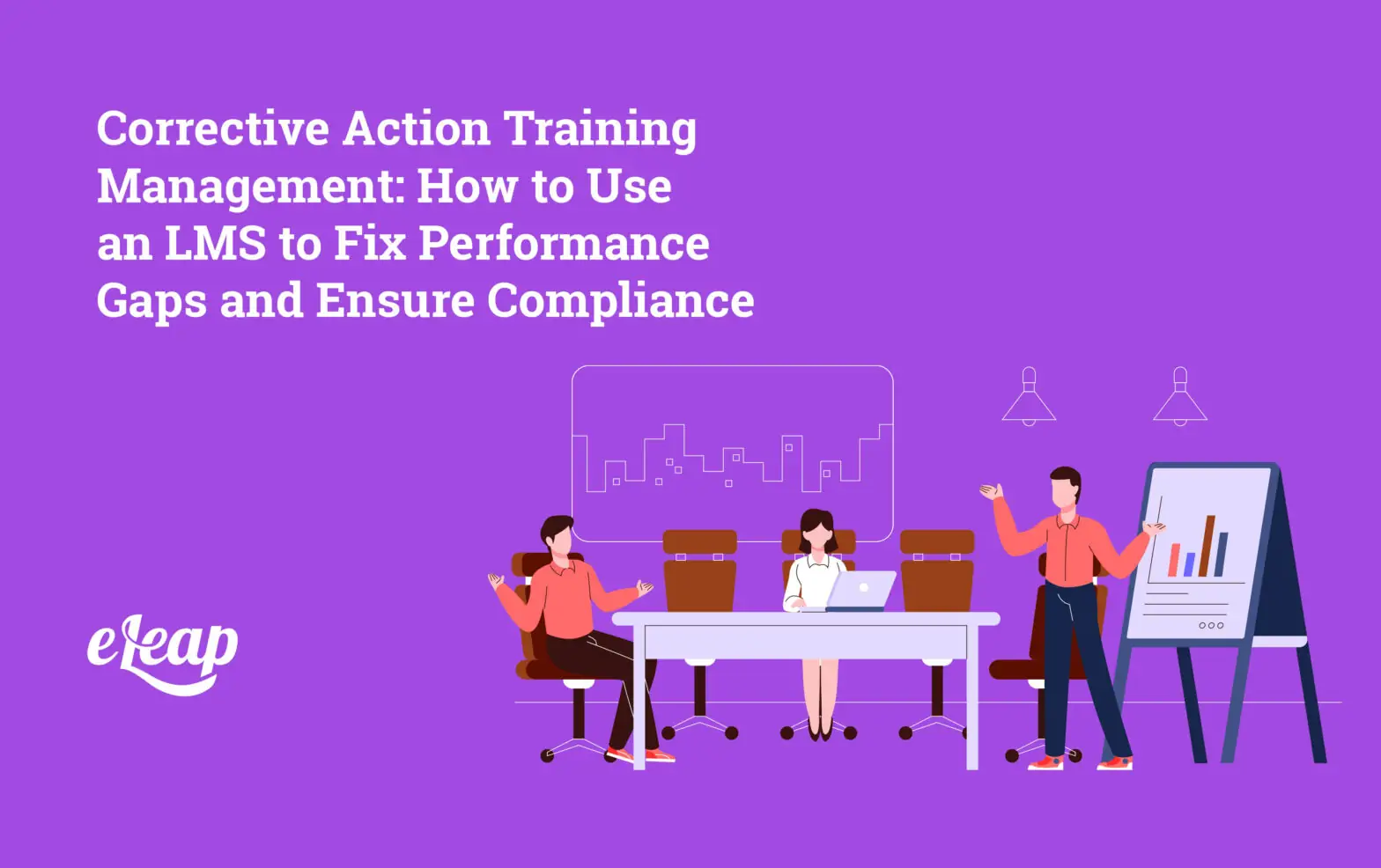
Corrective Action Training Management: How to Use an LMS to Fix Performance Gaps and Ensure Compliance Introduction
Most organizations treat training as a one-time checkbox. They schedule it, complete it, and move on. Then an audit reveals a repeat nonconformance. The same error surfaces two quarters in a row. A regulatory inspection uncovers undocumented retraining. This is where corrective action training management becomes non-negotiable. A CAPA training LMS connects your quality events […]
-
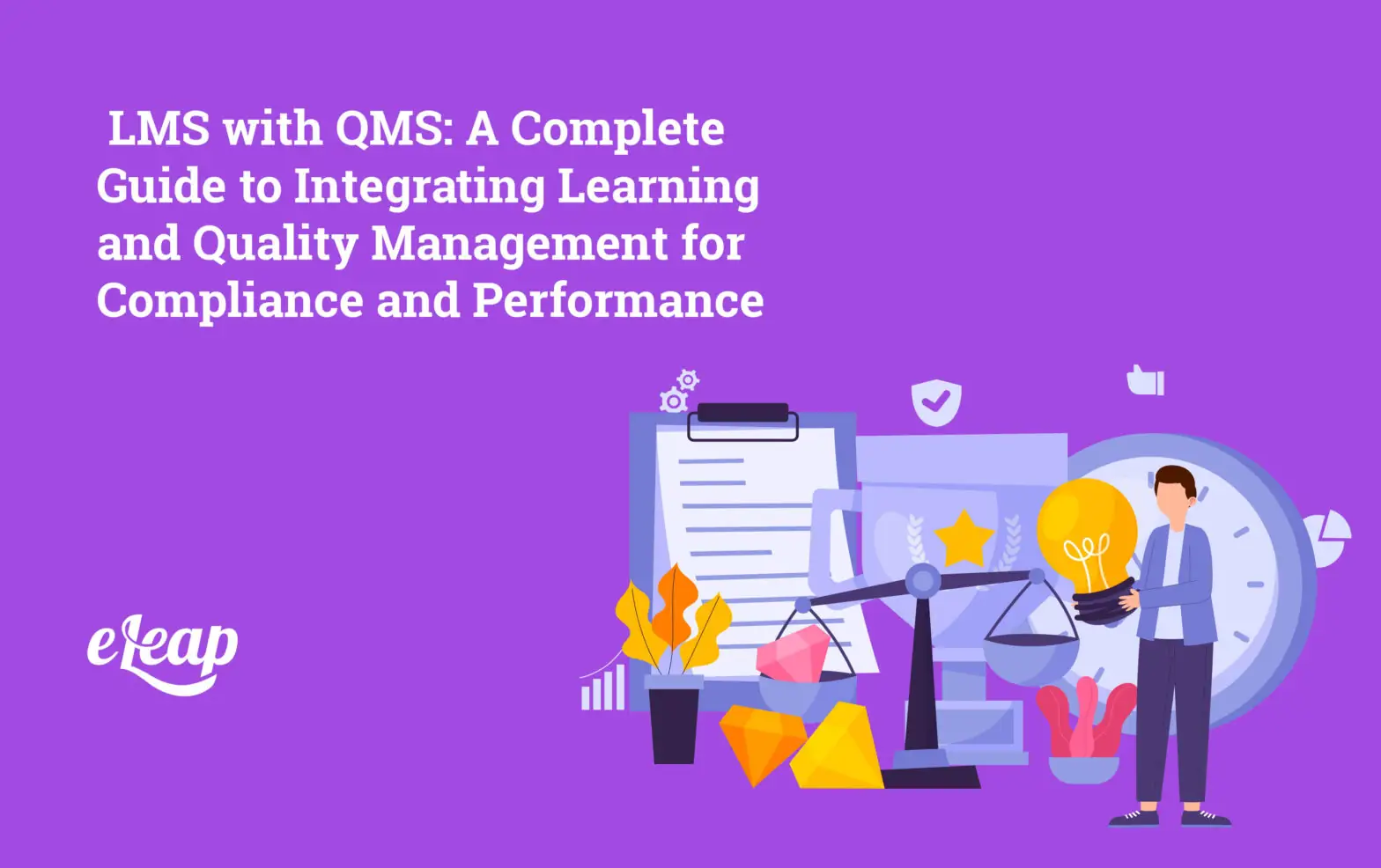
LMS with QMS: A Complete Guide to Integrating Learning and Quality Management for Compliance and Performance
Regulated industries face a hard truth: disconnected training and quality systems create compliance gaps that auditors find fast. That is why QMS LMS integration has become a priority for operations leaders in pharma, medical devices, manufacturing, and healthcare. When your learning management system talks directly to your quality management system, training stops being a checkbox […]
-
Computer System Validation LMS: A Practical Framework for Compliance, Risk Control, and Audit Readiness
Regulated industries run on trust that every employee received the right training, at the right time, with verified records to prove it. A validated LMS makes that trust possible. Without computer system validation, your learning management system is just software. With it, your LMS becomes a compliance asset. That’s a fundamental difference regulators notice immediately. […]
-
SOP Training Management in LMS: A Structured Approach to Compliance, Version Control, and Workforce Accountability
Standard Operating Procedures define how work gets done. Every regulated industry runs on them. Yet the way most organizations handle SOP training remains stuck in the past, spreadsheets, email threads, and shared drives that nobody trusts. That gap is where compliance risk lives. The right SOP training software turns static procedures into measurable, accountable learning […]
-
Best LMS Systems in 2026: A Practical, Data-Driven Guide to Choosing the Right Learning Platform
Selecting a learning management system is no longer just a procurement checkbox. It shapes onboarding speed, compliance readiness, and long-term workforce capability and the wrong choice costs far more than its subscription fee. Training departments once owned this decision alone. Today, executives, HR leaders, and operations heads all have a stake in the outcome. Platforms […]
-
eLearning Authoring in LMS Platforms: Strategy, Standards, Tools, and Performance Impact
eLearning authoring failures rarely start with bad content. They start with a broken strategy course development operating in isolation from LMS planning, and the entire ecosystem pays the price. Reporting becomes unreliable. Learner engagement drops. Compliance tracking collapses. And organizations see little return on their training investment. Inside an LMS, eLearning authoring determines how learners […]
-
21 CFR Part 11 Compliance Software: A Complete Guide for Validated LMS Platforms in Regulated Industries
FDA scrutiny over electronic records has never been tighter. Inspectors are diving deeper into training documentation during GxP audits. Organizations that rely on outdated or unvalidated systems face serious regulatory exposure. Here is the reality: training records stored in a learning management system qualify as electronic records under 21 CFR Part 11. That is not […]
-
360 Learning: Definition, Meaning, and Role in Modern LMS
Corporate training has shifted dramatically. The old playbook a training manager builds a course, employees complete it, everyone moves on no longer reflects how high-performing organizations actually develop their people. Something more dynamic has replaced it: 360 learning, a model where knowledge flows in every direction, not just from the top down. This article covers […]
-
Gamification in Learning: Definition, Benefits, and LMS Implementation Guide
Training teams spend millions building courses that employees quietly ignore. Completion rates stay flat. Retention scores barely move. The problem usually isn’t the content — it’s the experience. Gamification in learning fixes this by turning passive consumption into active participation, pulling learners in with challenges, progress markers, and rewards that make growth feel earned rather […]





Search articles by...
Find your way around our blog by searching using a keyword or a group of keywords or by choosing a tag.