Currently browsing "21 CFR Part 11"
Compliance with the FDA’s 21 CFR Part 11 is essential for life sciences organization especially medical device manufacturers. See articles that help you stay in compliance including e-signatures, audit trails, validated software systems and electronic records.

-
21 CFR Part 11 Compliance Software: A Complete Guide for Validated LMS Platforms in Regulated Industries

FDA scrutiny over electronic records has never been tighter. Inspectors are diving deeper into training documentation during GxP audits. Organizations that rely on outdated or unvalidated systems face serious regulatory exposure. Here is the reality: training records stored in a learning management system qualify as electronic records under 21 CFR Part 11. That is not […]
-
21 CFR Part 11 Compliance: How Learning Management Systems Enable FDA-Regulated Training
Understanding 21 CFR Part 11 in the Training Context 21 CFR Part 11 establishes FDA criteria for electronic records and electronic signatures in regulated environments. For life sciences organizations, this regulation fundamentally shapes how training documentation, qualification records, and compliance data must be managed. The regulation requires that any electronic system used to maintain GxP-relevant […]
-
21 CFR Part 11 Compliance: The Definitive Guide to Electronic Records and Signatures
Introduction — The Digital Transformation of FDA-Regulated Environments The late twentieth century brought a decisive shift in how FDA‑regulated organizations created, used, and retained information. Paper‑based procedures—once the backbone of quality systems—struggled to keep pace with increasingly complex supply chains, globalized development, and the need for rapid decision‑making. In this context, the U.S. Food and […]
-
The 3 Q’s in Computer System Validation: A Comprehensive Guide to IQ, OQ, and PQ
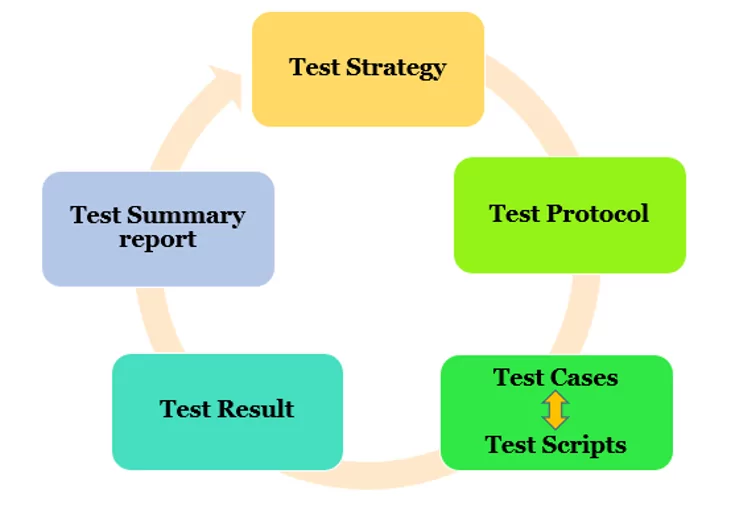
Computer System Validation: Executive Summary Computer System Validation (CSV) represents one of the most critical regulatory requirements facing FDA-regulated industries today. In an increasingly digital landscape where pharmaceutical manufacturing, clinical trials, and medical device development rely heavily on computerized systems, the stakes for proper validation have never been higher. At the heart of CSV lies […]
-
Intrapersonal Communication: A Path to Self-Discovery

Intrapersonal communication is a cornerstone of personal and professional development. This internal dialogue shapes our self-awareness, decision-making, and emotional well-being. By understanding and mastering intrapersonal communication, individuals can unlock new levels of self-discovery and personal growth. This article provides a comprehensive guide to intrapersonal communication, exploring its definition, types, techniques for enhancement, and the numerous […]
-
Exploring Innovative Solutions and Trends for Electronic Records and Signatures

In the fast-evolving world of life sciences, maintaining compliance with regulations is a perpetual challenge. One such pivotal regulation, 21 CFR Part 11, shapes the electronic records and signatures landscape for pharmaceutical, biotechnology, and medical device industries. In a newly released whitepaper, “Navigating 21 CFR Part 11: Solutions for Current Challenges and Future Trends,” organizations […]
-
Unraveling the Dynamics of Software as a Medical Device (SaMD)

Software as a Medical Device (SaMD) refers to software intended for medical purposes that does not have a physical form but performs diagnostic or therapeutic functions. The growing integration of technology in healthcare has led to an increased reliance on SaMD, which plays a crucial role in the diagnosis, treatment, and monitoring of medical conditions. […]
-
The Critical Role of Audit Trails in Ensuring Data Integrity and Compliance in the Pharmaceutical, Biotech, and Medical Device Industry
In the fast-paced and highly regulated landscape of the pharmaceutical industry, maintaining the highest standards of data integrity and compliance with stringent regulatory standards is crucial. Regulatory agencies, such as the U.S. Food and Drug Administration (FDA) and the European Medicines Agency (EMA), have established stringent guidelines to ensure the quality, safety, and efficacy of […]
-
Understanding FDA Software Validation
In the dynamic landscape of healthcare technology, the development and deployment of software play a crucial role in patient care, diagnostics, and overall healthcare management. However, with innovation comes the need for stringent regulations to ensure the safety and effectiveness of medical software. The Food and Drug Administration (FDA) plays a pivotal role in overseeing […]
-
21 CFR Part 11 Compliance in the Pharmaceutical Industry
The pharmaceutical industry operates in a highly regulated environment to ensure the safety and efficacy of drugs. Central to this regulatory framework is 21 CFR Part 11 compliance, a critical aspect that pharmaceutical companies must prioritize. Code of Federal Regulations (CFR) sets the guidelines and standards that companies in the industry must adhere to, making […]
-
An In-Depth Analysis of FDA 21 CFR Part 211 Compliance in Drug Manufacturing
The pharmaceutical industry is a highly regulated sector where the standard of quality is most critical and must be adhered to. One of the key regulatory frameworks governing pharma manufacturing is the FDA 21 CFR Part 211, which outlines Current Good Manufacturing Practice (cGMP) for Finished Pharmaceuticals. This set of regulations is crucial to maintaining […]
-
Ensuring Data Integrity: A Comprehensive Guide to GxP Compliance in Regulated Industries
In the rapidly evolving landscape of life sciences and regulated industries, adherence to Good Practices (GxP) standards is critical to ensuring the safety, efficacy, and quality of products and services. Among the important parts of GxP compliance are 21 CFR Part 11 and EU Annex 11, guiding principles for electronic records, electronic signatures, and computerized […]