Sexual Harassment 101: Do you know the compliance requirements in your state?

Sexual Harassment Prevention Training: Building Safe, Compliant Workplaces
Creating a workplace free from sexual harassment isn’t just a legal obligation—it’s fundamental to fostering an environment where all employees can thrive. Sexual harassment undermines workplace culture, damages employee morale, and exposes organizations to significant legal and financial risks. With comprehensive prevention training powered by eLeaP’s learning management system, organizations can proactively address these challenges while meeting complex compliance requirements across multiple jurisdictions.
Understanding Sexual Harassment: Legal Foundations and Real-World Impact
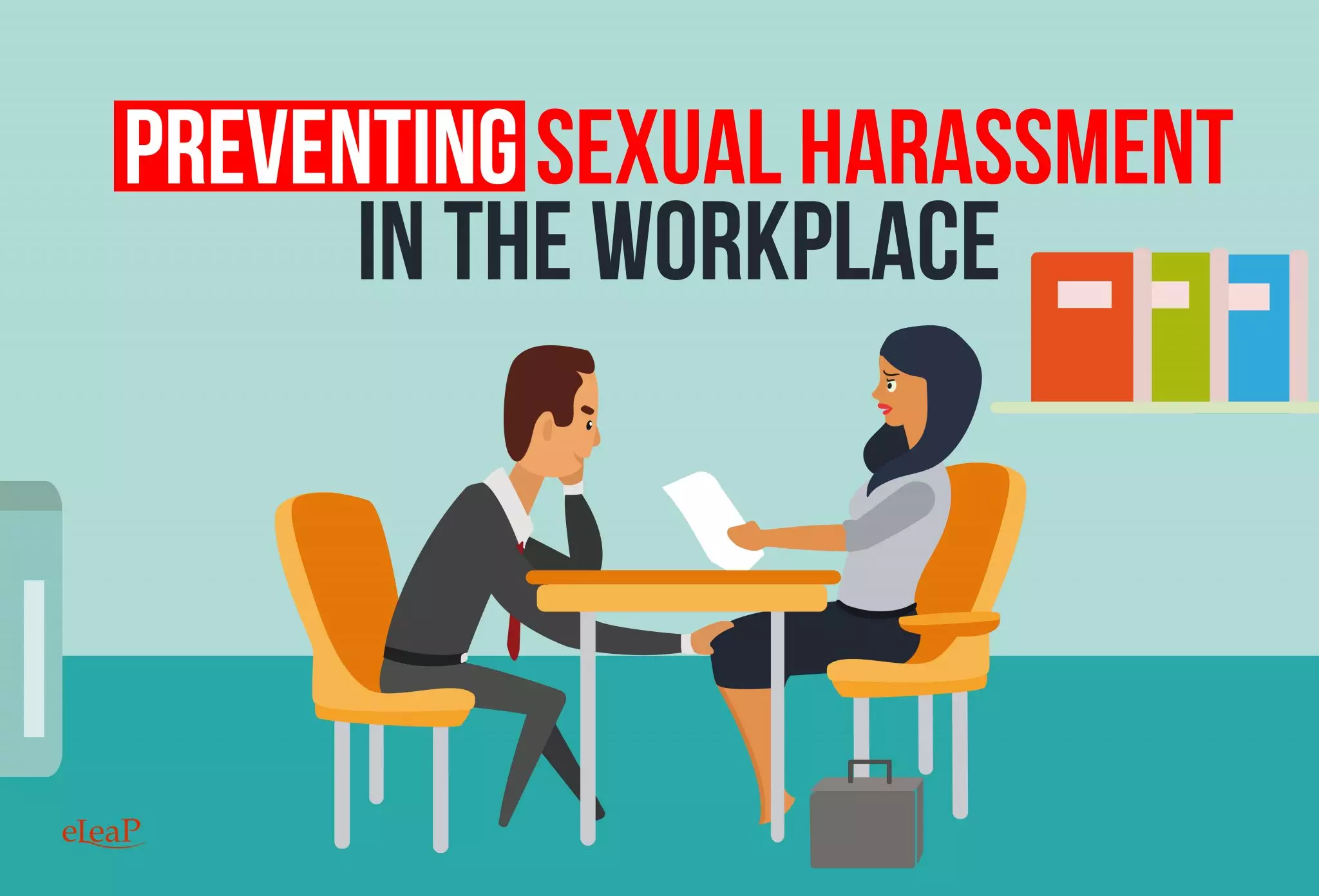
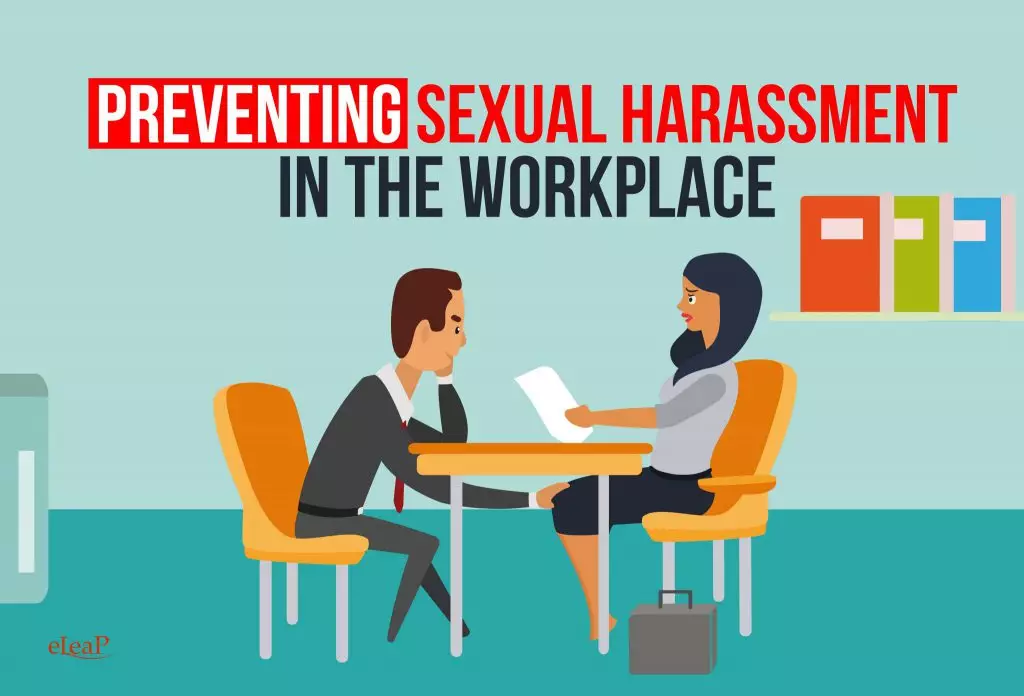
Sexual harassment encompasses unwelcome sexual advances, requests for sexual favors, and other verbal or physical conduct of a sexual nature that affects an individual’s employment, interferes with work performance, or creates a hostile work environment. The law recognizes two primary forms:
Quid Pro Quo Harassment occurs when employment decisions—such as hiring, promotion, or termination—are based on submission to or rejection of unwelcome sexual conduct. This form of harassment typically involves individuals in positions of authority leveraging their power over subordinates.
Hostile Work Environment harassment creates an intimidating, hostile, or offensive workplace through pervasive unwelcome sexual conduct. This can include persistent inappropriate comments, displaying sexually explicit materials, unwanted physical contact, or sexual jokes that interfere with an employee’s ability to perform their job effectively.
The financial consequences of sexual harassment extend far beyond immediate legal settlements. Organizations face costs from increased turnover, reduced productivity, damaged reputation, decreased employee engagement, and potential regulatory scrutiny. A single harassment case can result in settlements ranging from thousands to millions of dollars, not accounting for the long-term impact on organizational culture and talent retention.
State-Specific Compliance Requirements: Navigating the Regulatory Landscape
Sexual harassment prevention training requirements vary significantly across states, creating complex compliance challenges for multi-location organizations. Understanding these nuances is critical for maintaining legal compliance and effective prevention programs.
California’s Comprehensive Approach
California leads the nation with some of the most stringent sexual harassment prevention requirements. Under SB 1343, all supervisors and managers must complete two hours of interactive sexual harassment prevention training every two years. Additionally, non-supervisory employees in organizations with five or more workers must receive one hour of training biannually. The training must be interactive, address both quid pro quo and hostile work environment harassment, and include prevention of harassment based on gender identity, gender expression, and sexual orientation.
California’s requirements extend beyond basic awareness, mandating coverage of practical examples, legal remedies available to harassment victims, and strategies for creating harassment-free workplaces. The state also requires training on bystander intervention techniques and the importance of immediate reporting mechanisms.
New York’s Evolving Standards
New York requires all employees to receive sexual harassment prevention training annually, regardless of their position within the organization. The training must meet specific content requirements, including interactive components, practical examples relevant to the workplace, and information about complaint procedures and legal protections for harassment victims.
New York’s approach emphasizes the importance of creating psychologically safe reporting environments, recognizing that many harassment incidents go unreported due to fear of retaliation or disbelief. The state’s requirements specifically address power dynamics in workplace relationships and the responsibility of all employees, not just managers, to maintain respectful work environments.
Illinois, Delaware, and Connecticut Frameworks
Illinois requires annual sexual harassment prevention training for all employees, with enhanced requirements for supervisory personnel. The training must address the definition of sexual harassment under both state and federal law, examples of conduct that constitute harassment, and the employer’s complaint process.
Delaware mandates sexual harassment training for supervisory employees within one year of assuming supervisory responsibilities, with refresher training every two years. Connecticut requires sexual harassment prevention training for all supervisory employees within six months of their appointment to a supervisory position.
Connecticut’s approach centers on supervisory accountability, requiring sexual harassment prevention training for all supervisory employees within six months of their appointment to a supervisory position. The training must cover legal definitions of sexual harassment, the employer’s policy prohibiting harassment, how to report incidents appropriately, and the supervisor’s responsibility to prevent harassment in their area of oversight. Connecticut also requires refresher training every ten years, recognizing that harassment prevention requires ongoing reinforcement rather than one-time education.
Each state’s requirements reflect different approaches to prevention, from frequency of training to specific content mandates, requiring organizations to develop flexible training programs that can adapt to multiple regulatory frameworks simultaneously.
The eLeaP Advantage: Comprehensive Compliance Through Advanced Learning Technology
eLeaP’s learning management system transforms sexual harassment prevention from a compliance checkbox into a meaningful organizational capability. Our platform addresses the complexity of multi-state requirements while delivering engaging, effective training experiences that create lasting behavioral change.
State-Specific Content Libraries
Our comprehensive content library includes specialized courses tailored to meet specific state requirements for California, New York, Illinois, Delaware, and Connecticut. Each course incorporates state-specific legal standards, relevant case studies, and practical scenarios that resonate with employees across different industries and organizational levels.
The California compliance package includes four distinct courses covering all aspects of the state’s requirements: foundational concepts of quid pro quo and hostile environment harassment, bystander intervention strategies, manager responsibilities and response protocols, and creating inclusive workplace cultures. Courses incorporate interactive elements required by California law, ensuring full compliance while maintaining engagement.
Advanced Course Creation and Customization
eLeaP’s flexible course creation tools enable organizations to develop customized sexual harassment prevention training that reflects their unique workplace dynamics, industry-specific challenges, and organizational culture. Our AI Assistant integration supports content generation, helping training administrators create relevant scenarios, refine messaging for different audiences, and adapt content for various learning styles.
Organizations can incorporate their specific policies, reporting procedures, and cultural values into standardized compliance content, creating training experiences that feel authentic and relevant to their workforce. The platform supports multimedia content integration, allowing for video testimonials from leadership, recorded policy explanations, and interactive case studies based on industry-specific situations.
Robust Assessment and Certification Management
Effective sexual harassment prevention requires more than passive content consumption—it demands demonstrated understanding and commitment to behavioral standards. eLeaP’s comprehensive assessment tools include multiple question types, from scenario-based multiple choice to essay responses that require learners to articulate their understanding of appropriate workplace behavior.
Our certification management system tracks completion status, maintains detailed audit trails, and automatically generates compliance documentation required for regulatory purposes. The platform sends automated reminders for training renewals, ensuring organizations maintain continuous compliance with evolving state requirements.
Customizable quiz settings allow organizations to establish passing scores that reflect their commitment to a thorough understanding, while providing immediate feedback to reinforce key learning points. The system supports multiple attempts with randomized questions, ensuring learners achieve genuine comprehension rather than memorizing specific answers.
Enterprise-Level Reporting and Analytics
Understanding the effectiveness of sexual harassment prevention training requires sophisticated analytics that go beyond simple completion rates. eLeaP’s advanced reporting capabilities provide insights into learning patterns, engagement levels, and areas where additional reinforcement may be needed.
Detailed completion reports track individual and group progress, identifying employees who may need additional support or follow-up training. Quiz analytics reveal common misconceptions or areas of confusion, enabling training administrators to refine content and address knowledge gaps proactively.
Engagement metrics track discussion participation, feedback form responses, and time spent on different content sections, providing insights into which training elements resonate most effectively with different employee populations. This data-driven approach enables continuous improvement of training programs and demonstrates organizational commitment to prevention efforts.
Building a Culture of Respect: Beyond Compliance Requirements
While regulatory compliance provides the foundation for sexual harassment prevention training, truly effective programs extend beyond minimum legal requirements to create lasting cultural change. eLeaP’s platform supports comprehensive prevention strategies that address the root causes of harassment and empower all employees to contribute to respectful workplace environments.
Leadership Engagement and Accountability
Effective sexual harassment prevention begins with visible leadership commitment that extends throughout the organization. Our platform enables targeted training for different organizational levels, from frontline supervisors learning to recognize and respond to concerning behaviors, to senior executives understanding their role in setting organizational tone and accountability standards.
Manager-specific content addresses the unique responsibilities of supervisory personnel, including recognizing early warning signs, conducting appropriate investigations, and creating team environments where all employees feel valued and respected. Leadership training modules explore the business case for prevention, helping executives understand how respectful workplace cultures drive employee engagement, retention, and organizational performance.
Bystander Intervention and Peer Support
Creating harassment-free workplaces requires engaging all employees as active participants in maintaining respectful environments. eLeaP’s training modules include comprehensive bystander intervention strategies, teaching employees to recognize problematic situations and respond appropriately within their comfort level and organizational role.
Bystander training addresses the psychological barriers that often prevent individuals from intervening, such as diffusion of responsibility, fear of retaliation, or uncertainty about appropriate responses. Interactive scenarios help learners practice different intervention techniques, from direct confrontation when safe and appropriate to seeking assistance from supervisors or human resources personnel.
The platform supports peer support network development, enabling organizations to create formal and informal systems where employees can seek guidance, report concerns, and access resources when facing harassment situations.
Creating Inclusive Communication Patterns
Sexual harassment often occurs within broader patterns of exclusionary behavior, disrespectful communication, and workplace cultures that tolerate inappropriate conduct. Our training content addresses these underlying issues through modules on inclusive communication, respectful workplace interactions, and recognizing the impact of seemingly minor behaviors that contribute to hostile environments.
Communication training helps employees understand how language choices, humor, and social interactions can either contribute to or detract from inclusive workplace cultures. Practical exercises help learners develop skills for addressing inappropriate behavior in real-time, providing feedback to colleagues, and modeling respectful interactions in their daily work.
Measuring Success: Analytics-Driven Prevention Strategies
Effective sexual harassment prevention requires ongoing measurement and continuous improvement based on data-driven insights. eLeaP’s analytics capabilities enable organizations to track both immediate training outcomes and longer-term cultural indicators that reflect the success of prevention efforts.
Training Effectiveness Metrics
Beyond basic completion rates, our reporting system tracks engagement quality, knowledge retention, and behavioral application indicators. Pre- and post-training assessments measure knowledge gains and attitude shifts, while longitudinal tracking identifies areas where refresher training or additional support may be beneficial.
Discussion forum analytics reveal employee concerns, questions, and perspectives that may not surface through formal reporting channels. This feedback provides valuable insights for refining training content and identifying emerging issues before they develop into serious problems.
Organizational Culture Indicators
The platform supports integration with employee engagement surveys, exit interviews, and other organizational assessment tools to track culture-level indicators that correlate with harassment prevention success. Metrics such as psychological safety scores, inclusion ratings, and trust in leadership provide broader context for evaluating prevention program effectiveness.
Trend analysis across multiple data sources helps identify patterns that may indicate emerging problems or successful intervention strategies. This comprehensive approach enables organizations to address sexual harassment as part of broader workplace culture initiatives rather than isolated compliance requirements.
Integration with Organizational Systems: Seamless Implementation
eLeaP’s enterprise-grade features ensure that sexual harassment prevention training integrates smoothly with existing organizational systems and workflows. Single sign-on capabilities eliminate barriers to training access, while API integrations connect with HRIS systems for automated user provisioning and progress tracking.
Automated Workflow Management
Smart assignment rules automatically enroll new employees in required sexual harassment prevention training based on their role, location, and supervisory responsibilities. Automated reminders ensure timely completion, while escalation procedures notify appropriate personnel when employees fail to meet training deadlines.
The platform manages complex training schedules across multiple jurisdictions, automatically assigning state-specific content and tracking different renewal requirements for various employee populations. This automation reduces administrative burden while ensuring consistent compliance across all locations.
Audit-Ready Documentation
Comprehensive audit trails track all aspects of training delivery, completion, and outcomes, providing the documentation needed for regulatory compliance and legal defense. Detailed reporting demonstrates organizational commitment to prevention while identifying specific actions taken to address harassment risks.
The system maintains historical records of training content, completion dates, assessment scores, and participant feedback, creating a complete picture of organizational prevention efforts over time. This documentation proves invaluable during investigations, regulatory reviews, or legal proceedings.
Taking Action: Implementing Effective Sexual Harassment Prevention
Creating harassment-free workplaces requires commitment that extends beyond training implementation to ongoing cultural development and continuous improvement. Organizations ready to enhance their prevention efforts can leverage eLeaP’s comprehensive platform to build programs that meet compliance requirements while driving meaningful behavioral change.
Ready to transform your approach to sexual harassment prevention? Our solutions advisors are available to discuss your specific compliance requirements, organizational challenges, and implementation goals. Whether you’re addressing multi-state requirements, developing specialized content for your industry, or seeking to enhance existing training programs, eLeaP provides the technology and expertise needed for success.
Contact our team at +1 (502) 653-8579 or schedule a live consultation to explore how our platform can support your organization’s commitment to safe, respectful workplace environments.