Instructor-Led Training
Understanding Instructor-Led Training, ILT vs E-Learning, Virtual ILT, Blended Learning Approaches, Best Practices, and How to Manage ILT Effectively
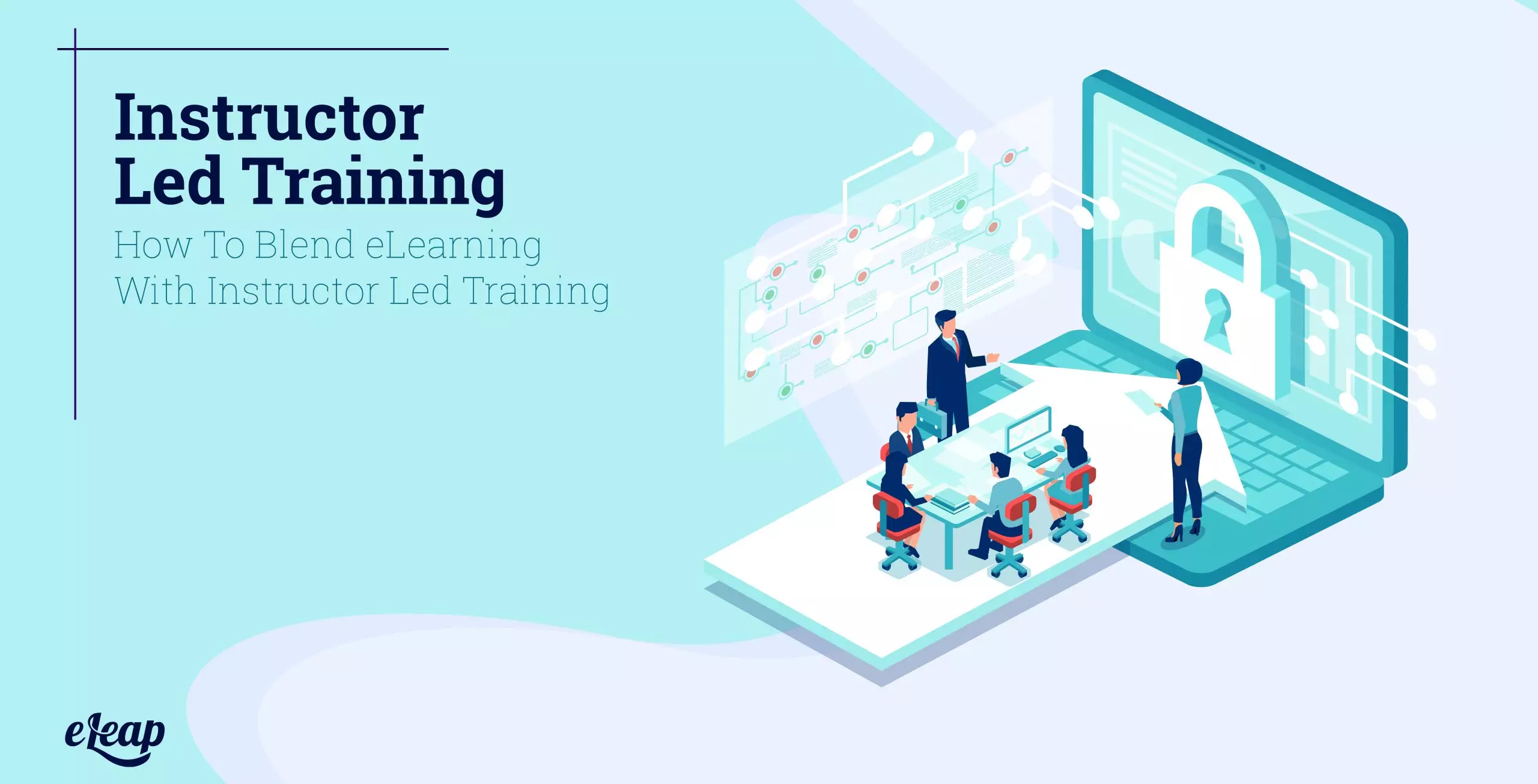
Instructor-led training (ILT) is a traditional yet enduringly effective training delivery method where learners receive instruction directly from a trainer or subject matter expert in real-time, whether in physical classrooms or virtual environments. Despite the explosive growth of e-learning and self-paced online courses, instructor-led training remains essential for complex skill development, hands-on competency verification, collaborative learning, and situations requiring immediate feedback and personalized instruction.
In 2026, instructor-led training has evolved significantly beyond traditional classroom lectures. Modern ILT incorporates interactive technologies, virtual delivery through web conferencing platforms, blended learning combinations with e-learning, and sophisticated learning management systems tracking attendance, participation, and outcomes. For regulated industries like pharmaceuticals, medical devices, and aviation, instructor-led training provides critical hands-on competency verification that purely online training cannot replace.
This comprehensive guide explains what instructor-led training is, compares ILT with other training methods, explores benefits and challenges, details virtual instructor-led training (VILT), provides best practices for effective delivery, explains how to combine ILT with e-learning in blended approaches, and demonstrates how modern LMS platforms manage instructor-led training efficiently.
What Is Instructor-Led Training?
Instructor-led training (ILT) is a synchronous learning method where a trainer, instructor, or subject matter expert delivers content to learners in real-time, enabling immediate interaction, questions, discussion, and feedback.
Core Characteristics of ILT
Real-Time Interaction: Learners and instructors engage simultaneously, whether in-person or virtually, enabling immediate questions, clarification, discussion, and feedback impossible in asynchronous self-paced training.
Expert Facilitation: A knowledgeable instructor guides learning, provides context, shares real-world examples, adapts content based on learner needs, and creates structured learning experiences beyond what content alone provides.
Structured Curriculum: ILT follows planned agendas with defined learning objectives, scheduled sessions, structured activities, and managed pacing ensuring all learners progress through material systematically.
Collaborative Learning: Learners interact with peers, participate in group discussions, collaborate on exercises, share experiences, and learn from each other’s questions and insights.
Hands-On Practice: Many ILT sessions include practical exercises, demonstrations, role-plays, simulations, and supervised hands-on practice with immediate instructor feedback.
Types of Instructor-Led Training
- Classroom Training
Traditional in-person instruction in physical training rooms or classrooms.
Characteristics:
- Learners and instructor in same physical location
- Face-to-face interaction and observation
- Access to physical equipment and materials
- Whiteboard, projector, physical demonstrations
- Group exercises and hands-on practice
Best For: Hands-on technical training, equipment operation, safety procedures, team building, complex skill development requiring physical presence.
- Virtual Instructor-Led Training (VILT)
Real-time instruction delivered through web conferencing platforms with remote participants.
Characteristics:
- Instructor and learners connect via video conferencing
- Screen sharing, virtual whiteboards, breakout rooms
- Chat, polls, Q&A features for interaction
- Geographic flexibility – participants anywhere
- Recording capabilities for review
Best For: Geographically distributed teams, cost reduction eliminating travel, scaling training to large audiences, combining real-time interaction with online convenience.
- Workshops
Interactive sessions focused on skill development through hands-on practice and application.
Characteristics:
- Heavy emphasis on doing rather than listening
- Instructor provides guidance and feedback on practice
- Collaborative exercises and group work
- Real problems and scenarios
- Typically longer duration (half-day to multi-day)
Best For: Skill development, problem-solving, process improvement, collaborative design, hands-on technical training.
- Seminars
Information-sharing sessions often featuring subject matter experts presenting on specific topics.
Characteristics:
- Expert presentation format
- Question and answer sessions
- Networking opportunities
- Often single-session events
- May include panel discussions
Best For: Industry updates, thought leadership, compliance changes, best practice sharing, professional development.
- On-the-Job Training (OJT)
One-on-one or small group instruction delivered in actual work environment.
Characteristics:
- Training occurs during regular work
- Real equipment, real processes, real conditions
- Immediate application to job tasks
- Personalized to individual needs
- Supervisor or experienced peer as instructor
Best For: Equipment operation, manufacturing processes, standard operating procedures, job-specific skills, competency verification.
Instructor-Led Training vs Other Training Methods
Understanding when to use ILT requires comparing with alternative approaches:
ILT vs E-Learning (Self-Paced Online)
| Aspect | Instructor-Led Training | E-Learning |
| Timing | Synchronous – scheduled sessions | Asynchronous – learner’s own schedule |
| Interaction | Real-time with instructor and peers | Limited or delayed interaction |
| Pacing | Instructor-controlled, group pace | Self-paced, individual control |
| Customization | Adapted in real-time based on needs | Fixed content for all learners |
| Feedback | Immediate from instructor | Automated or delayed |
| Cost | Higher (instructor time, facilities, travel) | Lower (scalable, no travel) |
| Scalability | Limited by instructor availability | Unlimited simultaneous learners |
| Best For | Complex skills, hands-on practice, collaboration | Foundational knowledge, compliance, flexible scheduling |
ILT vs Virtual Instructor-Led Training (VILT)
| Aspect | Classroom ILT | Virtual ILT |
| Location | Physical classroom | Web conferencing platform |
| Interaction Quality | Face-to-face, body language visible | Video-based, some nonverbal cues lost |
| Hands-On | Physical equipment and materials | Virtual simulations or shipped materials |
| Costs | Higher (facilities, travel, lodging) | Lower (no travel, no venue) |
| Geographic Reach | Limited to local participants | Global participation possible |
| Technology | Minimal – projector, whiteboard | Robust – reliable internet, cameras, software |
| Best For | Hands-on technical training, team building | Geographically distributed teams, cost reduction |
Blended Learning: Best of Both Worlds
Blended learning combines instructor-led and self-paced e-learning, leveraging strengths of each:
Typical Blended Model:
- Pre-work: Self-paced e-learning covers foundational knowledge
- ILT Session: Instructor-led session applies knowledge through practice, discussion, scenarios
- Post-work: E-learning reinforcement, assessments, job aids
Benefits:
- Efficient use of instructor time (focused on application, not basic content)
- Learners prepared for ILT session (completed foundational learning)
- Flexible scheduling for knowledge transfer (e-learning component)
- High-value interaction during ILT (discussion, practice, feedback)
- Reduced ILT session duration (covering only what requires instructor)
Benefits of Instructor-Led Training
ILT provides advantages difficult to replicate in purely online formats:
1. Immediate Feedback and Clarification
Real-Time Q&A: Learners ask questions immediately when confused, receive instant clarification, prevent misconceptions from solidifying, and explore topics deeper based on interest.
Adaptive Teaching: Instructors observe learner comprehension through questions, facial expressions, and exercise performance, adapting content, examples, and pacing accordingly.
Personalized Guidance: Instructors provide individualized coaching, identify specific gaps, offer targeted advice, and adjust instruction to learner needs impossible in pre-recorded content.
2. Hands-On Practice with Supervision
Immediate Correction: Instructors observe hands-on practice, catch errors immediately, demonstrate correct technique, prevent bad habits from forming, and ensure competency before independent work.
Safety Assurance: For equipment operation, hazardous procedures, or patient care, instructor supervision ensures safety during learning, preventing injuries or quality issues.
Skill Verification: Instructors directly assess competency through observation, verify learners can perform procedures correctly, and document proficiency for regulatory compliance.
3. Collaborative Learning and Peer Interaction
Shared Experiences: Learners share workplace challenges, discuss solutions, learn from peers’ questions, and benefit from diverse perspectives.
Team Building: In-person or virtual cohort learning builds relationships, establishes professional networks, creates learning communities, and improves cross-functional collaboration.
Group Problem-Solving: Collaborative exercises, case study discussions, and team activities develop critical thinking and communication skills beyond individual learning.
4. Structured Learning Environment
Dedicated Time: Scheduled ILT sessions create protected learning time, minimize workplace interruptions, ensure focus, and establish learning as priority.
Instructor-Managed Pacing: Prevents learners from rushing through or getting stuck, ensures adequate time for practice and discussion, maintains cohort progress.
Accountability: Scheduled attendance, visible participation, and instructor observation create accountability encouraging preparation and engagement.
5. Complex Skill Development
Multi-Modal Instruction: Instructors use verbal explanation, visual demonstration, physical modeling, guided practice, and real-time coaching engaging multiple learning modalities.
Nuanced Topics: Complex subjects requiring deep discussion, ethical considerations, judgment development, or contextual interpretation benefit from expert guidance and group discourse.
Competency-Based Training: For tasks requiring demonstrated proficiency, ILT enables instructors to verify competency, assess readiness, and document qualification.
Challenges and Limitations of Instructor-Led Training
Despite benefits, ILT presents practical challenges:
1. Higher Costs
Direct Costs:
- Instructor salaries for preparation and delivery
- Facility rental or classroom space
- Travel expenses for instructors or participants
- Materials and equipment
- Food and beverages for multi-day sessions
Opportunity Costs:
- Employee time away from productive work
- Production downtime for hands-on training
- Coordination effort scheduling participants
ROI Consideration: Higher ILT costs must be justified through improved learning outcomes, reduced errors, faster competency development, or regulatory requirements.
2. Scheduling Complexity
Coordinating Availability: Finding time all required participants available, especially across shifts, locations, or time zones creates logistical challenges.
Rigid Scheduling: Unlike self-paced learning available 24/7, ILT requires learners attend specific scheduled sessions, creating conflicts with work demands.
Last-Minute Cancellations: Unexpected absences disrupt learning, require rescheduling or make-up sessions, and impact cohort continuity.
3. Scalability Limitations
Instructor Availability: Number of learners trained limited by available qualified instructors, their time, and sustainable teaching loads.
Class Size Constraints: Effective ILT requires manageable class sizes (typically 12-20 learners) for interaction, hands-on practice supervision, and individual attention.
Geographic Constraints: Classroom training requires learners travel to training location or instructors travel to sites, limiting reach and increasing costs.
4. Inconsistent Quality
Instructor Variability: Training quality depends heavily on individual instructor expertise, facilitation skills, engagement ability, and content knowledge.
Content Inconsistency: Without standardized materials, different instructors may emphasize different topics, use varying examples, or present conflicting information.
Delivery Differences: Same content delivered differently by different instructors creates inconsistent learner experiences and outcomes.
Mitigation: Standardized instructor materials, train-the-trainer programs, facilitator guides, and quality monitoring improve consistency.
Best Practices for Effective Instructor-Led Training
Maximize ILT effectiveness through these proven practices:
1. Thorough Preparation
Define Clear Learning Objectives: Specific, measurable objectives guide content development, activities, and assessments ensuring focused, effective sessions.
Develop Comprehensive Materials:
- Facilitator guide with timing, key points, activities
- Participant workbooks with exercises and reference materials
- Presentation slides supporting (not replacing) instruction
- Hands-on exercise materials and equipment
- Assessment tools and answer keys
Prepare the Environment: Ensure room setup, equipment testing, materials distribution, and technology readiness before participants arrive.
2. Engage Learners Actively
Vary Instruction Methods:
- Mini-lectures (10-15 minutes maximum)
- Group discussions and Q&A
- Hands-on practice and demonstrations
- Case studies and scenarios
- Role-plays and simulations
- Peer teaching exercises
Follow the 10-Minute Rule: Change activity, format, or interaction style every 10 minutes maintaining engagement and preventing passive listening.
Encourage Participation:
- Ask open-ended questions
- Use think-pair-share techniques
- Employ polling and voting
- Create psychological safety for questions
- Acknowledge all contributions
3. Facilitate, Don’t Just Present
Guide Discovery: Pose questions prompting learners to deduce principles rather than simply telling them, creating deeper understanding and retention.
Manage Group Dynamics: Draw out quiet participants, manage dominant talkers, encourage diverse viewpoints, and maintain respectful dialogue.
Adapt in Real-Time: Monitor comprehension through questions and exercises, adjust pacing and depth based on learner needs, revisit confusing topics, skip what’s already understood.
4. Incorporate Realistic Practice
Provide Hands-On Exercises: Learners practice actual skills they’ll use on the job with real or realistic equipment, scenarios, and conditions.
Offer Immediate Feedback: Observe practice, provide specific corrective feedback, demonstrate correct technique, allow retry with improved performance.
Build Complexity Gradually: Start with simplified scenarios, add complexity as competence develops, culminate with full-complexity realistic situations.
5. Assess Competency
Knowledge Checks: Frequent formative assessments throughout training gauge understanding, identify gaps, and reinforce key points.
Skills Assessments: Direct observation of hands-on performance with evaluation criteria, documenting competency achievement.
Post-Training Assessment: End-of-session tests or practical evaluations verify learning objectives achieved before releasing learners to independent practice.
6. Support Transfer to Work
Link to Real Applications: Use actual workplace examples, discuss implementation challenges, address barriers to application, develop action plans.
Provide Job Aids: Quick reference guides, checklists, templates, and resources supporting on-the-job performance after training.
Plan Follow-Up: Schedule post-training check-ins, refresher sessions, or coaching supporting continued application and addressing implementation questions.
Virtual Instructor-Led Training (VILT)
VILT extends ILT benefits to geographically distributed learners:
VILT Technology Platforms
Web Conferencing:
- Zoom, Microsoft Teams, Webex, Google Meet
- Video, audio, screen sharing, chat
- Breakout rooms for small group work
- Polls, Q&A, raise hand features
Virtual Classroom Platforms:
- Adobe Connect, BigBlueButton
- Purpose-built for instruction
- Whiteboards, annotation tools
- Persistent rooms and recordings
Integration with LMS: Track VILT attendance and completion, provide access to pre/post materials, manage registrations and waitlists.
VILT Best Practices
Technical Preparation:
- Test technology thoroughly beforehand
- Provide technical requirements and setup guides
- Have technical support available
- Plan backup communication methods
Engagement Strategies:
- Use video to maintain connection (cameras on when possible)
- Employ interactive features frequently (polls, chat, Q&A)
- Incorporate breakout rooms for small group work
- Use collaborative tools (virtual whiteboards, shared documents)
- Schedule breaks more frequently than in-person (every 60-90 minutes)
Content Adaptation:
- Shorter sessions than classroom ILT (2-3 hours maximum)
- More frequent interaction opportunities
- Simplified logistics for hands-on (shipped kits or virtual simulations)
- Screen sharing for demonstrations
- Recording for later review
Managing ILT with Learning Management Systems
Modern LMS platforms provide comprehensive ILT management:
Event Scheduling and Management
Session Creation:
- Define course, date, time, duration, location (physical or virtual)
- Set enrollment capacity and waitlist
- Assign instructors and facilitators
- Attach pre-work, materials, and resources
Enrollment Management:
- Self-enrollment with approval workflows
- Administrator assignment to required participants
- Waitlist management with automatic promotion
- Enrollment confirmations and calendar invitations
Logistics Coordination:
- Automated email reminders to participants
- Instructor notifications of enrollments
- Facility reservations and equipment requests
- Materials preparation tracking
Attendance Tracking
Check-In Methods:
- Instructor roll call during session
- Self-check-in via mobile or kiosk
- Integration with badging systems
- Virtual meeting attendance reports
Status Management:
- Attended, absent, partial attendance
- Late arrivals and early departures
- Makeup session scheduling
- Attendance reports for managers and compliance
Completion and Documentation
Automatic Records:
- ILT attendance automatically creates training records
- Completion dates and instructor documentation
- Integration with overall training transcript
- Audit trail for regulatory compliance
Assessment Integration:
- Link ILT sessions with online assessments
- Require assessment completion for full credit
- Hands-on competency evaluation forms
- Instructor scoring and certification
Certificate Generation:
- Automatic certificates upon completion
- Include session details, instructor, location
- CEU credit calculation and tracking
Blended Learning Workflows
Pre-Session Requirements:
- Assign online prerequisite courses
- Require completion before ILT enrollment
- Track pre-work completion status
ILT Session:
- Manage attendance and participation
- Link to online materials and resources
- Capture instructor observations
Post-Session Activities:
- Assign follow-up assessments
- Deploy reinforcement microlearning
- Schedule manager check-ins
eLeaP Instructor-Led Training Management
eLeaP provides comprehensive ILT capabilities within an integrated LMS:
Event Management:
- Unlimited ILT sessions and locations
- Self-enrollment with approval workflows
- Capacity management and waitlists
- Automated notifications and reminders
- Calendar integration
Blended Learning Support:
- Link ILT with online prerequisite courses
- Combine classroom and virtual sessions
- Integrate assessments and certifications
- Track complete blended curriculum
Attendance Tracking:
- Instructor check-in and status management
- Attendance reports by session and participant
- Automated completion documentation
- Integration with training transcripts
Virtual ILT Integration:
- Links to web conferencing platforms
- Virtual session attendance tracking
- Recording storage and access
- Post-session survey deployment
Compliance Documentation:
- Part 11-compliant ILT records
- Audit trails for attendance and completion
- Instructor documentation and signatures
- Inspector-ready training transcripts
Reporting and Analytics:
- ILT session completion rates
- Attendance trends and no-show analysis
- Instructor utilization and effectiveness
- Resource capacity planning
19+ Years Expertise:
- GMP, GLP, GCP ILT templates
- Blended learning best practices
- Regulatory inspection support
- Expert implementation guidance
Frequently Asked Questions About Instructor-Led Training
What is instructor-led training?
Instructor-led training (ILT) is a synchronous learning method where a trainer or subject matter expert delivers content to learners in real-time, enabling immediate interaction, questions, discussion, and feedback. ILT occurs in physical classrooms or virtually through web conferencing platforms. Unlike self-paced e-learning where learners progress independently through pre-recorded content, ILT features live instruction with real-time engagement between instructor and learners. Key ILT characteristics include expert facilitation providing guidance and context, collaborative learning through peer interaction and discussion, hands-on practice with immediate instructor feedback, and structured curriculum ensuring systematic progression. ILT is particularly effective for complex skill development, hands-on competency verification, collaborative problem-solving, and situations requiring personalized instruction and immediate clarification.
What are the advantages of instructor-led training?
Instructor-led training provides several key advantages: (1) Immediate feedback – learners receive instant clarification of questions, preventing misconceptions and enabling adaptive instruction based on comprehension. (2) Hands-on practice – instructors supervise practical exercises, observe technique, provide immediate correction, and verify competency before independent work. (3) Collaborative learning – peer interaction, shared experiences, group discussions, and team problem-solving develop skills beyond individual learning. (4) Expert facilitation – instructors provide real-world context, adapt content to learner needs, share nuanced insights, and create structured learning experiences. (5) Complex skill development – multi-modal instruction, guided practice, and real-time coaching effectively teach intricate procedures, equipment operation, and judgment-based tasks. (6) Accountability and focus – scheduled sessions create dedicated learning time, minimize workplace interruptions, and establish clear expectations for participation and preparation.
What is the difference between ILT and e-learning?
Instructor-led training (ILT) is synchronous with real-time interaction between instructor and learners in scheduled sessions, while e-learning is typically asynchronous with learners progressing independently through pre-recorded content on their own schedule. ILT provides immediate feedback, personalized guidance, and collaborative learning through discussion and group activities. E-learning offers flexibility, scalability, and cost-efficiency without instructor or facility expenses. ILT pacing is instructor-controlled for cohort progression, while e-learning is self-paced based on individual learning speed. ILT excels for complex skills requiring hands-on practice, immediate feedback, or collaborative problem-solving. E-learning works best for foundational knowledge, compliance training, and situations requiring scheduling flexibility or training large distributed populations. Many organizations use blended learning combining both approaches—e-learning for knowledge transfer and ILT for application, practice, and competency verification.
What is virtual instructor-led training (VILT)?
Virtual instructor-led training (VILT) delivers real-time instructor-facilitated learning through web conferencing platforms rather than physical classrooms. VILT maintains ILT’s core benefits—live interaction, immediate feedback, collaborative learning—while participants join remotely from anywhere. VILT uses video conferencing (Zoom, Teams, Webex), screen sharing for demonstrations, virtual whiteboards for collaboration, breakout rooms for small group work, and interactive features like polls and chat. VILT advantages include eliminating travel costs and time, reaching geographically distributed participants, recording sessions for later review, and scaling training more economically. Challenges include technology requirements (reliable internet, cameras, software), reduced nonverbal communication compared to in-person, and higher demands on instructor facilitation skills. VILT works best for knowledge-based training, virtual simulations, and discussions, while hands-on technical training requiring physical equipment still benefits from classroom ILT.
When should you use instructor-led training instead of e-learning?
Use instructor-led training when: (1) Complex skills require hands-on practice with immediate expert feedback and correction (equipment operation, medical procedures, technical processes). (2) Safety critical training where supervision prevents injuries or quality issues during learning. (3) Competency verification – regulations require direct observation and instructor attestation of proficiency. (4) Collaborative learning – group problem-solving, peer discussion, and shared experiences provide essential value. (5) Nuanced topics – complex subjects requiring deep discussion, ethical considerations, judgment development, or contextual interpretation benefit from expert facilitation. (6) Relationship building – team development, cross-functional collaboration, or establishing professional networks benefit from cohort learning. Use e-learning when: foundational knowledge transfer, compliance training requiring only information consumption, high-volume training for distributed populations, flexible scheduling is essential, or cost constraints prevent instructor-delivered training. Best approach often combines both through blended learning.
How do you measure instructor-led training effectiveness?
Measure ILT effectiveness using the Kirkpatrick Four-Level Model: Level 1 – Reaction: Post-session surveys measuring learner satisfaction, instructor effectiveness, content relevance, and facility quality. Target: 4.0+/5.0 average ratings. Level 2 – Learning: Knowledge assessments, skills evaluations, and competency observations measuring if learners acquired intended knowledge and demonstrated required skills. Target: 80-100% passing rates depending on criticality. Level 3 – Behavior: On-the-job observation, supervisor assessments, and performance metrics measuring if learners apply training to work tasks 30-60 days post-training. Target: Measurable behavior change in 70%+ of participants. Level 4 – Results: Business impact metrics like reduced errors, improved quality, decreased incidents, enhanced productivity, or compliance rates measuring if training drove intended organizational outcomes. Additionally track attendance rates, completion rates, no-show percentages, and instructor utilization for operational management.
What is blended learning and how does it combine ILT with e-learning?
Blended learning strategically combines instructor-led training and self-paced e-learning, leveraging the strengths of each method. Typical blended model: (1) Pre-work – learners complete online courses covering foundational knowledge, terminology, and basic concepts at their own pace. (2) ILT session – instructor-led session focuses on application, hands-on practice, discussion, scenarios, and competency verification assuming learners already have baseline knowledge. (3) Post-work – online reinforcement activities, assessments, job aids, and follow-up resources supporting long-term retention and application. Benefits include efficient use of expensive instructor time (focused on high-value activities), learners prepared for productive ILT participation, flexible scheduling for knowledge transfer, deeper exploration during ILT of complex topics, reduced ILT duration and costs, and improved learning outcomes through multiple reinforcement methods. Blended learning is particularly effective for technical training, compliance with hands-on components, and professional development.
How much does instructor-led training cost?
ILT costs vary significantly based on scope and delivery method but typically include: Development costs – $10,000-$50,000 for professional course development including materials, exercises, facilitator guides, and assessments. Instructor costs – $500-$2,000+ per day for internal staff time or external trainers, plus preparation time. Facility costs – $200-$1,000+ per day for training rooms, equipment, and materials. Travel costs – $500-$2,000+ per participant for flights, lodging, meals if training requires travel. Opportunity costs – employee wages during training time away from productive work. Example: Full-day classroom training for 20 participants might cost $5,000-$15,000 total ($250-$750 per learner) including instructor, facility, materials, and participant time. Virtual ILT reduces costs 40-60% by eliminating travel and facility expenses. Compare with e-learning at $25-$150 per learner one-time development cost, but without hands-on practice or instructor interaction. ILT’s higher costs must be justified through improved outcomes, regulatory requirements, or complex skills requiring live instruction.
Can instructor-led training be tracked in an LMS?
Yes, modern learning management systems provide comprehensive ILT tracking and management. LMS ILT capabilities include: Session management – creating training events with date, time, location, instructor, capacity, and enrollment controls. Enrollment – learner self-enrollment or administrator assignment with approval workflows, waitlist management, and automatic confirmations. Attendance tracking – instructor check-in, status management (attended, absent, partial), and attendance reports. Completion documentation – ILT attendance automatically creates training records with date, instructor, location integrated into overall training transcript. Assessment integration – linking ILT with online pre/post assessments, hands-on competency evaluations, and instructor scoring. Certificate generation – automatic certificates upon completion including CEU credit calculation. Blended learning – combining ILT with online prerequisite courses, post-session activities, and complete curriculum tracking. Reporting – attendance trends, completion rates, instructor utilization, and compliance documentation. For regulated industries, LMS provides Part 11-compliant audit trails, electronic signatures, and inspector-ready records.
What makes a good instructor for instructor-led training?
Effective ILT instructors possess: (1) Subject matter expertise – deep knowledge of content, real-world experience applying skills, credibility with learners. (2) Facilitation skills – ability to engage learners, manage group dynamics, encourage participation, create psychological safety for questions. (3) Communication ability – clear explanations, varied examples, listening skills, adapting language to audience. (4) Presentation skills – confident delivery, appropriate body language, voice modulation, eye contact, energy and enthusiasm. (5) Adaptability – reading learner comprehension, adjusting pace and content based on needs, responding to unexpected questions. (6) Coaching ability – providing constructive feedback, demonstrating techniques, observing practice, correcting errors supportively. (7) Preparation – thoroughly preparing materials, practicing delivery, anticipating questions, planning activities. Organizations should invest in train-the-trainer programs, provide facilitator guides with detailed instructions, observe new instructors, gather learner feedback, and continuously develop instructor skills through coaching and professional development.
How long should instructor-led training sessions be?
Optimal ILT duration depends on content complexity, learning objectives, and delivery format: Classroom ILT: Half-day (4 hours) to full-day (6-7 hours) sessions work well for most training. Include 10-15 minute breaks every 90 minutes and lunch break for full-day sessions. Multi-day training (2-5 days) appropriate for comprehensive technical training, certification programs, or complex skill development. Avoid sessions longer than 8 hours as learning effectiveness diminishes with fatigue. Virtual ILT: Shorter than classroom due to screen fatigue—2-3 hours maximum per session, preferably 90-120 minutes. Schedule breaks every 60-90 minutes. For content requiring full-day classroom training, split into multiple shorter VILT sessions over several days. General principles: Change activities every 10 minutes maintaining engagement, balance instruction with practice and discussion, and schedule appropriately for content depth—foundational topics in shorter sessions, complex skills requiring extended practice in longer sessions. Consider learner needs: shift workers benefit from shorter sessions, while intensive certification programs justify multi-day immersive formats.
What is the difference between training and facilitation?
Training focuses on transferring specific knowledge and skills to learners, with the trainer as expert delivering predetermined content, demonstrating techniques, and ensuring learners achieve defined competencies. Facilitation focuses on guiding group processes, discussions, and discovery, with the facilitator creating environment for learners to explore, discuss, and develop their own insights. Trainers use direct instruction, demonstrations, and structured practice; facilitators use questions, discussion prompts, and process management. Effective instructor-led training often combines both approaches—trainer mode for delivering foundational content and demonstrating procedures, facilitator mode for group discussions, case studies, and collaborative problem-solving. Best practice: adopt facilitation techniques even in training contexts by asking questions prompting learners to deduce principles rather than only telling them, encouraging peer discussion and shared learning, and guiding discovery rather than lecturing exclusively. This creates deeper understanding and engagement than pure trainer-centered instruction.
How do you handle difficult participants in instructor-led training?
Manage challenging ILT participants through: Dominant talkers – acknowledge contributions then redirect (“Great point, John. Let’s hear from others.”), use round-robin ensuring everyone speaks, privately request they help bring out quieter participants. Non-participants – use think-pair-share requiring everyone to discuss, call on non-volunteers by name with easy questions building confidence, create small group activities ensuring participation, privately check if barriers exist. Off-topic discussions – acknowledge connection then redirect (“Interesting point. Let’s hold that thought and return to our topic.”), use parking lot for valid but tangential topics, establish clear ground rules about focus. Know-it-alls – acknowledge expertise then redirect to group (“You clearly have experience here. What would others add?”), leverage expertise by asking them to share examples, privately ask them to help by supporting less experienced learners. Disruptive behaviors – address privately during breaks, restate ground rules to group, as last resort remove participant if affecting others’ learning. Prevention: establish clear expectations upfront, create engaging content minimizing boredom, maintain energy and pacing, build rapport with participants.
What equipment and materials are needed for instructor-led training?
Essential ILT equipment and materials include: Classroom ILT: (1) Presentation equipment – projector or large display, laptop with presentation software, screen or wall space, audio system for videos. (2) Writing surfaces – whiteboard or flipcharts with markers. (3) Tables and chairs arranged for instruction and group work. (4) Hands-on materials – equipment, tools, supplies for practice exercises specific to training topic. (5) Participant materials – workbooks, handouts, job aids, writing supplies. (6) Assessment tools – tests, evaluation forms, competency checklists. Virtual ILT: (1) Web conferencing platform subscription. (2) Quality webcam and microphone for instructor. (3) Reliable high-speed internet connection. (4) Second monitor for managing platform while presenting. (5) Digital presentation files, virtual whiteboards, polling tools. (6) Shipped hands-on kits if physical practice required. Both formats: Instructor guide with facilitation notes, timing, and instructions. Backup plans for technology failures. Contact list for participants. Registration and attendance tracking tools. Evaluation forms and assessment instruments.
How do you convert classroom training to virtual instructor-led training?
Convert classroom ILT to effective VILT through: (1) Chunk content differently – break full-day classroom sessions into multiple 90-120 minute VILT sessions over several days accounting for screen fatigue. (2) Increase interaction frequency – add polls, chat questions, breakout discussions every 5-10 minutes versus 15-20 minutes in classroom to maintain engagement. (3) Redesign hands-on activities – ship physical kits to participants beforehand, use virtual simulations where possible, or demonstrate with camera closeups rather than expecting simultaneous practice. (4) Leverage virtual tools – use screen sharing for demonstrations, virtual whiteboards for collaboration, breakout rooms for small group work, chat for sidebar discussions and questions. (5) Adapt assessments – online quizzes replace paper tests, video-based observation replaces in-person competency evaluation where feasible. (6) Provide breaks – schedule 10-minute breaks every 60-90 minutes allowing participants to step away from screens. (7) Technical preparation – send detailed technical requirements, conduct tech checks beforehand, have backup communication plan. (8) Recording – record sessions for participants who miss live delivery or want to review. Test thoroughly before launching—pilot with small group gathering feedback on technology, engagement, and effectiveness.
Conclusion
Instructor-led training remains a valuable and often essential component of comprehensive organizational learning strategies despite the growth of e-learning and digital alternatives. ILT’s unique benefits—immediate feedback, hands-on practice with supervision, collaborative learning, expert facilitation, and complex skill development—cannot be fully replicated through asynchronous self-paced content alone.
Modern ILT has evolved significantly, embracing virtual delivery through VILT, integrating with learning management systems for efficient administration and tracking, and combining with e-learning in blended approaches that leverage the strengths of each method. Organizations should strategically deploy ILT when its unique value justifies higher costs—for hands-on technical training, competency verification, safety-critical procedures, collaborative problem-solving, and complex skills requiring personalized instruction.
Effective ILT requires careful planning, skilled facilitation, engaging activities, realistic practice opportunities, and robust management systems. Learning management platforms like eLeaP provide the infrastructure for scheduling, enrollment, attendance tracking, blended learning integration, and compliance documentation that makes instructor-led training manageable and measurable at scale.
Ready to enhance your instructor-led training programs?
- Schedule a consultation on ILT management
- Explore eLeaP’s ILT and blended learning capabilities
- Review blended learning best practices
- Start your free 30-day trial
eLeaP provides comprehensive instructor-led training management integrated with self-paced e-learning, enabling organizations to schedule ILT sessions, track attendance, verify competency, combine classroom and virtual delivery, implement blended learning programs, and maintain Part 11-compliant documentation—all within a single platform supporting 19+ years of regulatory expertise and proven training effectiveness.